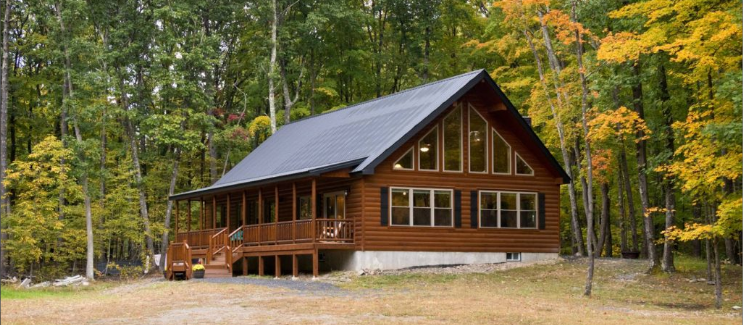
Modular homes are catching on fast with folks who want to buy or build a new place. They usually cost less than traditional houses, go up way faster, and you get a bunch of options to really make them your own.
If you’ve been feeling frustrated by high housing prices or endless construction delays, maybe modular homes are actually what you need. It’s worth a look, at least.
So, what sets these homes apart from regular houses, anyway? Builders construct modular homes in sections at a factory instead of doing it all on your property.
This approach saves time and money but still gives you a quality home. It has to meet the same building codes as traditional houses, so you’re not sacrificing standards.
Getting a grip on what makes modular homes stand out can help you figure out if they’re a good fit. From the way they’re built to how much they cost, these homes bring some real benefits for first-time buyers, families, or anyone who just wants a simpler path to homeownership.
Understanding Modular Homes
Modular homes come together in factory-built sections, then crews assemble them on-site. That’s a pretty big shift from the way most houses get built.
These homes fall under the broader umbrella of prefabricated structures. That means more design flexibility and, honestly, a much faster build.
What Are Modular Homes
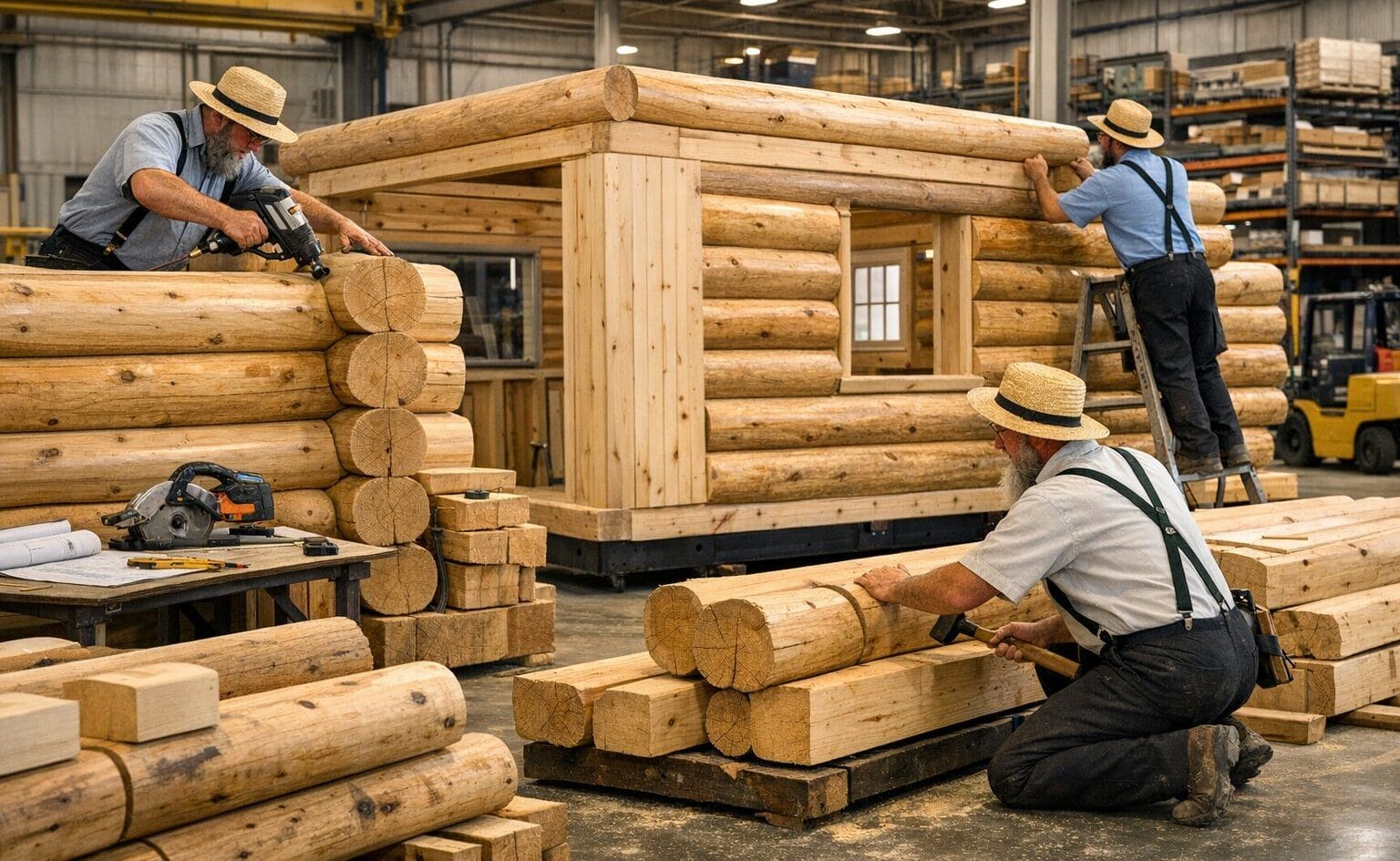
Picture this: inside a climate-controlled factory, skilled workers are carefully constructing your future home in separate sections, or modules. They’re following your chosen floor plan and all those design details you’ve picked out, so this definitely isn’t some cookie-cutter assembly line situation.
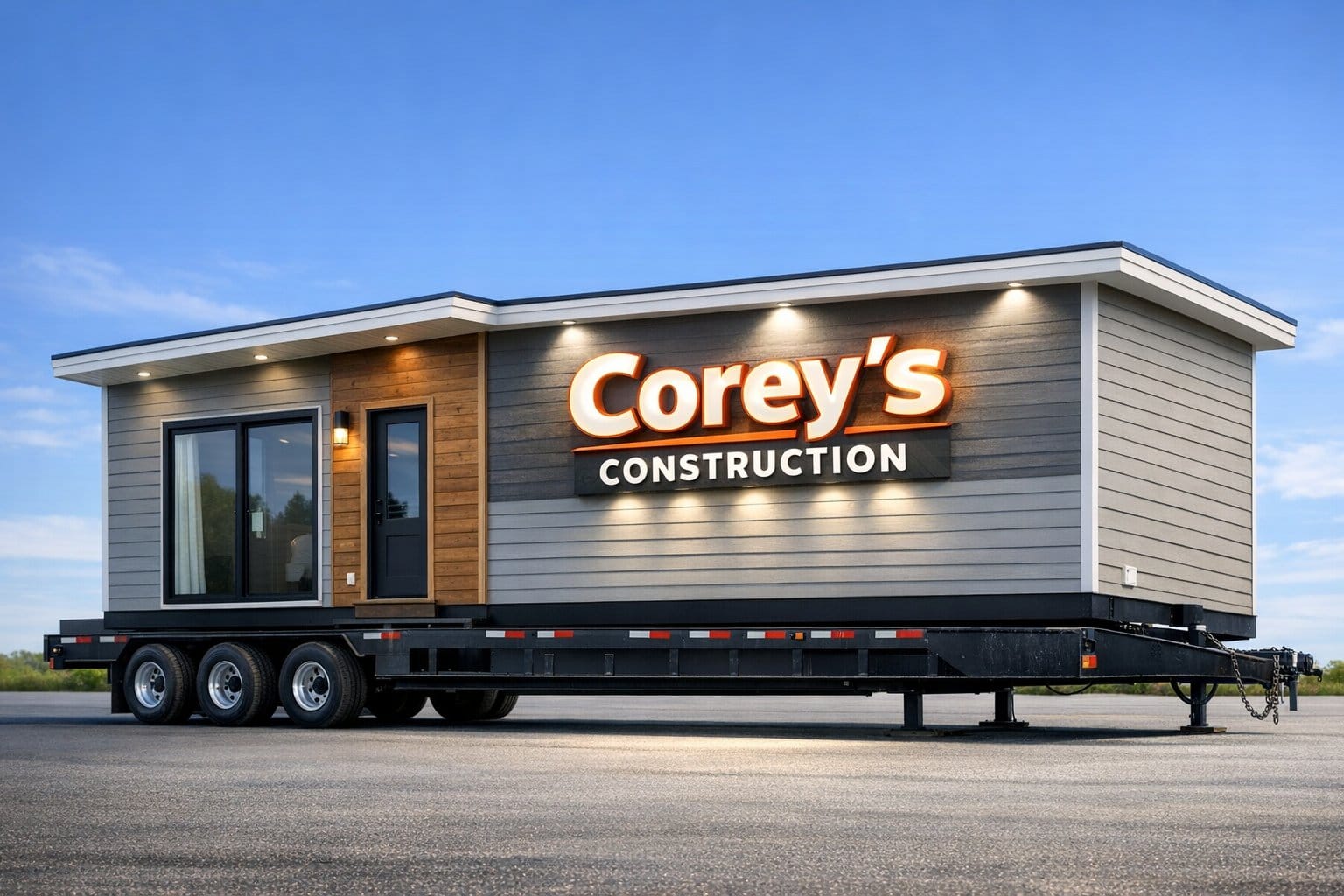
Once each module is complete, the company loads them onto massive flatbed trucks for the journey to your building site. Watching these house sections rolling down the highway—what builders call “flying the modules”—is honestly quite a sight to see, but it’s a tried-and-true method that really works.
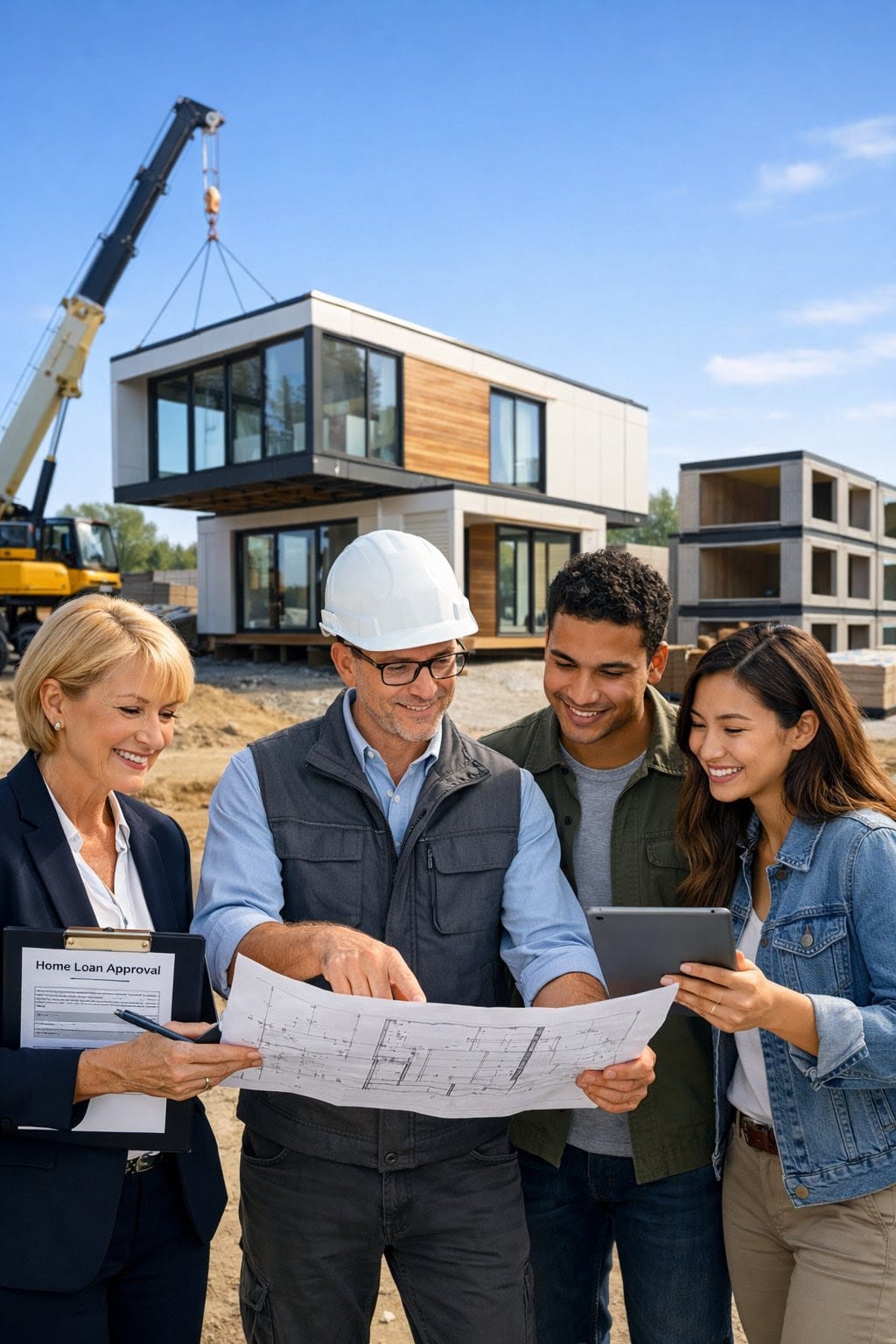
When your modules finally arrive at the site, it’s showtime. A crane carefully lifts each section onto your prepared foundation, and the crews get busy connecting all the pieces together. They’ll handle the final touches, making sure everything’s buttoned up just right. When it’s all said and done, you’ve got yourself a beautiful home that meets every single building code requirement, just like any traditional stick-built house in the neighborhood.
And here’s the thing—you’re not locked into just a handful of boring options. Some modular homes are charming little cottages perfect for a couple, while others stretch out across two or even three stories with room for the whole family. The factory building process really doesn’t box you in like most people assume. You’d be surprised at just how flexible and customizable these homes can be.
Difference From Site-Built Homes
With site-built homes, crews build everything right on your property, from the ground up. They frame it, put up walls, add the roof, and finish the inside—all right where the house will stand.
People also call this stick-built construction. It’s the traditional way, sure, but not always the most efficient.
Modular homes break from tradition in a few important ways:
- Workers build them in factory sections, not out in the elements
- Materials stay protected from rain and weather
- Assembly at your site takes days instead of months
- They still have to follow the same building codes
- Once finished, they’re permanently attached to a foundation
The first thing you’ll probably notice is the speed. You might have your modular home ready in a matter of weeks, not the many months a site-built house takes.
Both styles let you customize and tweak things, but modular homes get built in a more controlled setting. That can make a big difference if you hate surprises.
Prefabricated Structures Explained
With prefabricated structures, factories make some or all of the building parts before they ever show up at your property. Modular homes are just one type of prefab, but there are others too.
“Prefab” is kind of a catch-all term. Modular homes use complete 3D sections—walls, floors, ceilings, the whole deal. You can also find panelized homes (which use flat wall panels) and manufactured homes (built on a permanent chassis, for better or worse).
Every prefab method comes with its own perks. Factory construction means tighter quality control, way less waste, and materials that don’t get soaked or warped by the weather.
Specialized workers handle each step, so you usually get better craftsmanship and fewer mistakes. That’s not always the case with traditional builds, honestly.
The Modular Home Construction Process
Building a modular home happens in two main places: first, in the factory, then at your site. This method mixes precise manufacturing with quick on-site assembly, which is kind of genius if you ask me.
Factory-Built Modules
Everything starts in a climate-controlled factory. Workers build each section of your home indoors, safe from rain, snow, and whatever else Mother Nature wants to throw at them.
Each module makes up a chunk of your home—a bedroom here, a kitchen there, maybe a living room. The factory setup lets builders work all year without weather delays.
Materials stay dry and protected, which is huge. Most of the work gets done before your modules even show up at your property. Factories usually finish about 80% of the home before shipping.
Skilled workers use specialized tools and follow detailed blueprints for every module. The controlled environment lets them move faster and make fewer mistakes than you see on a regular construction site.
Your home grows section by section—walls, floors, ceilings, even electrical and plumbing, all go in right there in the factory.
Quality Control in Manufacturing
Each module gets checked over and over during the build. Factory supervisors inspect work at every stage, so problems get caught early.
This kind of oversight is tough to match on a traditional site. It’s just easier to keep track of things in a factory, plain and simple.
Key inspection points include:
- Framing and structure
- Electrical and plumbing
- Insulation
- Interior and exterior finishes
Building indoors keeps materials in better shape. Wood doesn’t warp from moisture. Tools and supplies stay organized. Workers follow strict standards set by both the factory and state rules.
Plus, third-party inspectors come in to check the modules before they ship out. That extra layer of quality control is pretty reassuring, honestly.
Efficient On-Site Assembly
Once the modules reach your property, a crane lifts each one onto the foundation. Crews usually pull this off in just a few days—way quicker than traditional builds.
Workers secure the modules, hook up utilities, finish the roof, and add whatever features couldn’t be done in the factory. Meanwhile, your site work and foundation are already done.
This parallel approach is a real time-saver. While the factory builds your home, crews prep your site. Less time on-site means less disruption and a faster move-in.
Honestly, you could be living in your new modular home in four to six months, start to finish. That’s not bad at all, considering how long traditional builds drag on.
Advantages of Modular Homes
Modular homes bring a bunch of practical perks to the table. You save time, you save money, and you end up with a house built to some pretty high standards.
High-Quality Construction Standards
Building indoors gives you better quality control than traditional methods. Workers can focus without worrying about weather or random site problems.
Each section gets inspected multiple times as it comes together. If something’s off, they fix it right there in the factory. That’s way easier (and cheaper) than repairing stuff after installation.
Your building materials stay dry and protected—no rain, no humidity, no sun damage. That’s a big deal, especially for wood and insulation.
Modular homes have to hit the same local codes as stick-built houses. Sometimes, manufacturers even go above and beyond, since the modules need to handle the stress of transportation. That means tougher connections and, usually, a sturdier home overall.
The factory environment keeps things consistent. You get precise cuts, insulation goes in the right way, and seals stay tight. Achieving that level of precision on a regular job site is tough, especially when the weather’s not cooperating.
Faster Build Times
You could move into a modular home in three to five months. Compare that to the seven to twelve months that traditional construction often drags out.
The factory builds your home while crews work on your site at the same time. Weather doesn’t slow things down much—maybe a day or two for site work, but the factory keeps humming along.
Traditional builds? They get stuck for weeks when it rains or snows, and those delays add up fast.
Here’s a quick breakdown of the timeline:
| Construction Phase | Modular Home | Traditional Build |
|---|---|---|
| Design & Planning | 2-4 weeks | 3-6 weeks |
| Foundation Work | 2-3 weeks | 2-4 weeks |
| Home Construction | 6-10 weeks | 16-24 weeks |
| Installation & Finishing | 2-4 weeks | 4-8 weeks |
| Total Timeline | 3-5 months | 7-12 months |
Cost Efficiency and Savings
Most people save 10-20% on construction costs compared to a traditional home of the same size and quality. A typical 1,800 square foot modular home might run $180,000-$270,000, while a stick-built one could hit $216,000-$324,000.
Factories cut costs by buying materials in bulk and using labor more efficiently. Less waste and smoother production mean you pay less without giving up quality.
The savings keep coming after you move in. Modern modular homes usually beat energy code requirements, thanks to tight construction that stops air leaks. You might pay 20-30% less on utilities compared to older traditional homes. That’s around $65-$95 a month saved on heating, cooling, and other bills for an average home.
Factory construction also means fewer surprise expenses during the build. Pricing stays more predictable, and you dodge a lot of the budget overruns that plague traditional projects.
Design Flexibility and Customization
Modular homes give you a lot of room to play with design. You can tweak floor plans and pick features that fit your style, your needs, and your budget.
Custom Floor Plans
You aren’t stuck with boring layouts. Modern modular builders let you get creative with the configuration—open spaces, closed-off rooms, whatever suits your life.
Want extra bedrooms for a growing family? Need a home office? You can add those in. Great rooms, big kitchens, flexible spaces—it’s all possible.
If you prefer traditional room separation or want a more modern, open feel, modular construction can handle either one. The layout becomes your home’s backbone, and you get to shape it with designers who actually listen to how you live.
Maybe you want a main-floor suite, or you’d rather have the kitchen overlooking the backyard. Those are your calls to make in the design phase, and that’s honestly one of the best parts about going modular.
Customization Options
Beyond the basic floor plan, you get to call the shots on the details that make your house actually feel like home. Want to pick your own cabinet style, countertop material, or appliance package for the kitchen? Go for it.
Bathrooms? You can go with upgraded fixtures, custom tile, and layouts that actually work for your routine. It’s your space, after all.
Interior choices include:
- Flooring materials (hardwood, tile, carpet, luxury vinyl)
- Paint colors and trim styles
- Lighting fixtures throughout
- Window sizes and placement
- Built-in storage solutions
For the outside, you’ve got options: vinyl siding, natural stone, or fiber cement—just depends on your vibe. If you want dormers, a covered porch, or some kind of custom entryway, you can add those too.
Energy-efficient upgrades like high-performance windows, better insulation, and smart home tech? They slot right in with modular designs, no problem.
Thinking about a home gym, media room, or maybe a craft space? You can work those into your custom plan too.
Honestly, these personalization choices give you about as much flexibility as old-school construction, but with the bonus of getting it all done way faster.
Energy Efficiency and Sustainability

Modular homes usually come packed with energy-saving features that actually cut your utility bills. The building process also creates less waste, which is always a win.
These homes use less energy for heating and cooling, so they’re easier on the environment compared to traditional building methods. That’s something to feel good about.
Energy-Efficient Features
Your modular home brings in top-notch insulation, keeping heat inside during winter and outside in the summer. So, your heating and cooling systems don’t have to work overtime, and you save money month after month.
Most modular builds throw in energy-efficient windows—double or even triple glazed. These windows cut down on drafts and keep the temperature steady inside.
You’ll notice LED lighting throughout the place, which saves electricity and just lasts longer. Why not make life easier?
A lot of modular homes are designed so you can easily add solar panels on the roof. That way, you can make your own renewable energy and maybe even sell some back to the grid if you want.
Smart HVAC systems are pretty common too. They adjust automatically to your daily routine, so you get comfort and savings without even thinking about it.
Water-saving fixtures like low-flow faucets and dual-flush toilets come standard in most modular homes. These little things add up, helping you use less water and keep those bills down.
Some homes even have rainwater harvesting systems for outdoor use. Not everyone needs that, but it’s a nice touch.
Lower Environmental Impact
Factory construction of modular homes cuts down on waste compared to traditional building sites. Builders can recycle materials more easily and only order what they actually need for each project.
Because everything happens indoors, fewer materials get ruined by weather or disappear due to theft. That kind of precision just means less junk ends up in the landfill.
Chances are, your modular home uses sustainable materials like recycled steel, bamboo floors, or reclaimed wood. The whole factory approach just runs more efficiently, so there’s less carbon output from transportation and on-site machinery.
With airtight construction, these homes don’t have the gaps and drafts that waste energy. That tight seal means you’ll use less energy year after year, shrinking your carbon footprint for the long haul.
Financing and Buying Modular Homes
Getting a loan for a modular home isn’t quite like a traditional mortgage. Knowing your options up front makes planning a lot easier.
You’ll want to figure out how to work with manufacturers too, so you can actually get the home you want at a price that doesn’t make your wallet cry.
Financing Options Available
You’ve got a few ways to finance a modular home. If the home’s already built and on a permanent foundation, a conventional mortgage usually works fine.
These loans typically ask for a down payment—anywhere from 3% to 20%—and the rates are usually decent. Not bad.
If your modular place isn’t built yet, you’ll probably need a construction-to-permanent loan. That covers the building phase, then flips into a regular mortgage once it’s all done.
During construction, you’re only paying the interest. That helps a bit on the budget side.
FHA loans are an option too, especially if your credit score isn’t perfect or your down payment is on the smaller side. They’ll take as little as 3.5% down, but not every lender offers FHA loans for modular homes.
You’ll have to do a little shopping around to find the right fit, honestly.
Some modular home manufacturers even offer their own financing or can hook you up with lenders who get the ins and outs of modular construction. Sometimes, those lenders have better terms.
Working With Modular Home Manufacturers
Working with the manufacturer starts with picking a floor plan and figuring out your customizations. Most of them have design centers where you can check out models and choose finishes, like flooring, cabinets, and countertops.
Definitely get detailed quotes from at least three manufacturers. Make sure the quotes break down the base price, land prep, delivery, and installation costs.
Some manufacturers include setup in their price, but others tack it on separately. It’s worth asking about.
Don’t forget to ask what kind of warranty the manufacturer offers. Good ones usually give you a 1- to 2-year warranty on workmanship, and even longer on the structure itself.
Take a good look at the construction timeline. Most modular homes are ready in about three to four months from order to move-in.
The manufacturer builds your home modules in the factory while site work happens at your land. Doing both at once saves a ton of time compared to the old way.
Limitations and Considerations
There are definitely some real challenges with modular homes you’ll want to think through before making any big decisions. Some of these are practical, like financing or customization, and others are just lingering misconceptions about quality.
Potential Cons of Modular Homes
Financing can be harder for modular homes than for traditional houses. Some banks treat them differently, so you might run into higher interest rates or stricter loan requirements.
You’ll probably need to look around for lenders who actually understand modular construction. It’s not impossible, but it’s a process.
Limited customization becomes a thing once the factory starts making your home. Sure, you can pick floor plans and finishes at first, but making changes after production starts? That gets tricky and expensive fast.
You’re generally working within the manufacturer’s set designs, not building something totally unique from scratch.
Land preparation costs can sneak up on you. Owning a suitable lot, prepping it with a foundation, hooking up utilities, and getting permits—all of that adds up.
And those costs aren’t always included in the price you see advertised, which feels a bit sneaky.
Resale value concerns still pop up in some markets. The value of your modular home partly depends on how people in your area feel about modular construction, as well as the reputation of the company that built it.
Myths and Social Perceptions
The stigma around modular homes comes from confusion with mobile homes and some pretty outdated beliefs about quality. A lot of folks just don’t realize that modern modular homes actually meet the same building codes as traditional houses.
Builders put them together in climate-controlled factories, which lets them keep a close eye on quality. There are strict checks at every step, and honestly, that’s more than you get with a lot of site-built homes.
Past quality issues from decades ago still shape opinions today, even if it doesn’t make much sense anymore. Sure, older modular homes sometimes missed the mark, but things have changed a lot since then.
Construction methods and technology have come a long way. These days, building in a factory often leads to better quality control than what you see with on-site construction—though, of course, not everyone is aware of that yet.