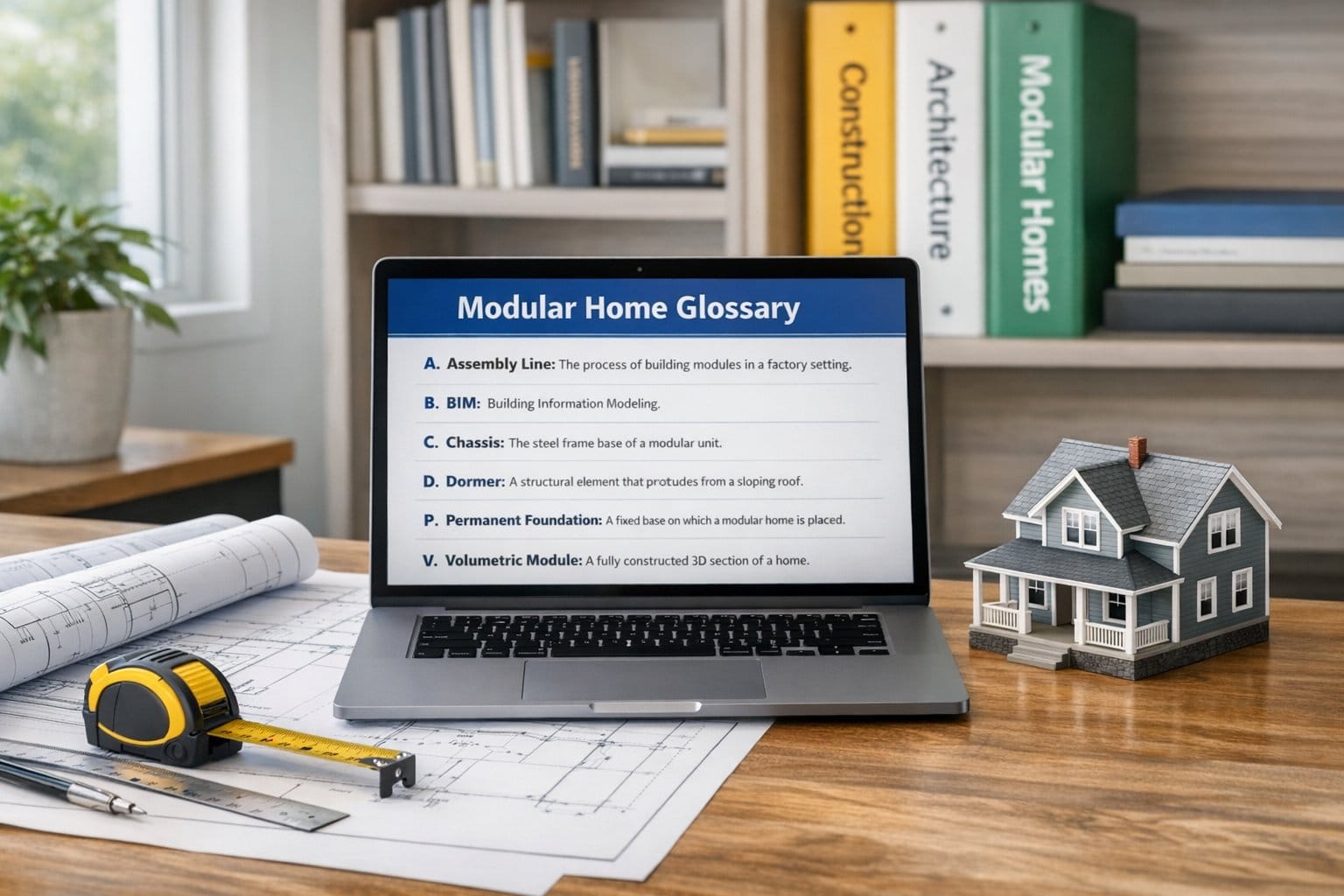
Ever sat in a meeting about modular homes and felt like everyone’s speaking a different language?
“Module” this, “chassis” that, someone mutters “HUD” under their breath, and you’re just nodding along like you totally get it. (Spoiler: you don’t, and that’s okay!)
The modular home world is obsessed with insider lingo. It’s like they’re in a secret club, and you didn’t get the decoder ring. Suddenly, picking out a home feels like you need a engineering degree just to understand the brochure.
But here’s the thing: once you crack the code, everything changes. That smooth-talking sales pitch? You’ll see right through it. That intimidating fine print? Just words on a page. You’ll actually know what you’re signing up for.
That’s where this glossary comes in. We’re breaking down all the construction mumbo-jumbo, the transport stuff that sounds scary, those alphabet-soup building codes, and yes—even those weird terms that always pop up at the absolute worst time (usually when you’re trying to sound smart in front of your contractor).
Let’s decode this thing together. 🏠
Unique Phrases and Terms in the Modular Home Industry
Below are some distinctive terms you’ll encounter in the modular home world:
Manufacturing & Construction Terms
- Marriage wall – The wall where two modules join together
- Marriage line – The seam where two modules connect
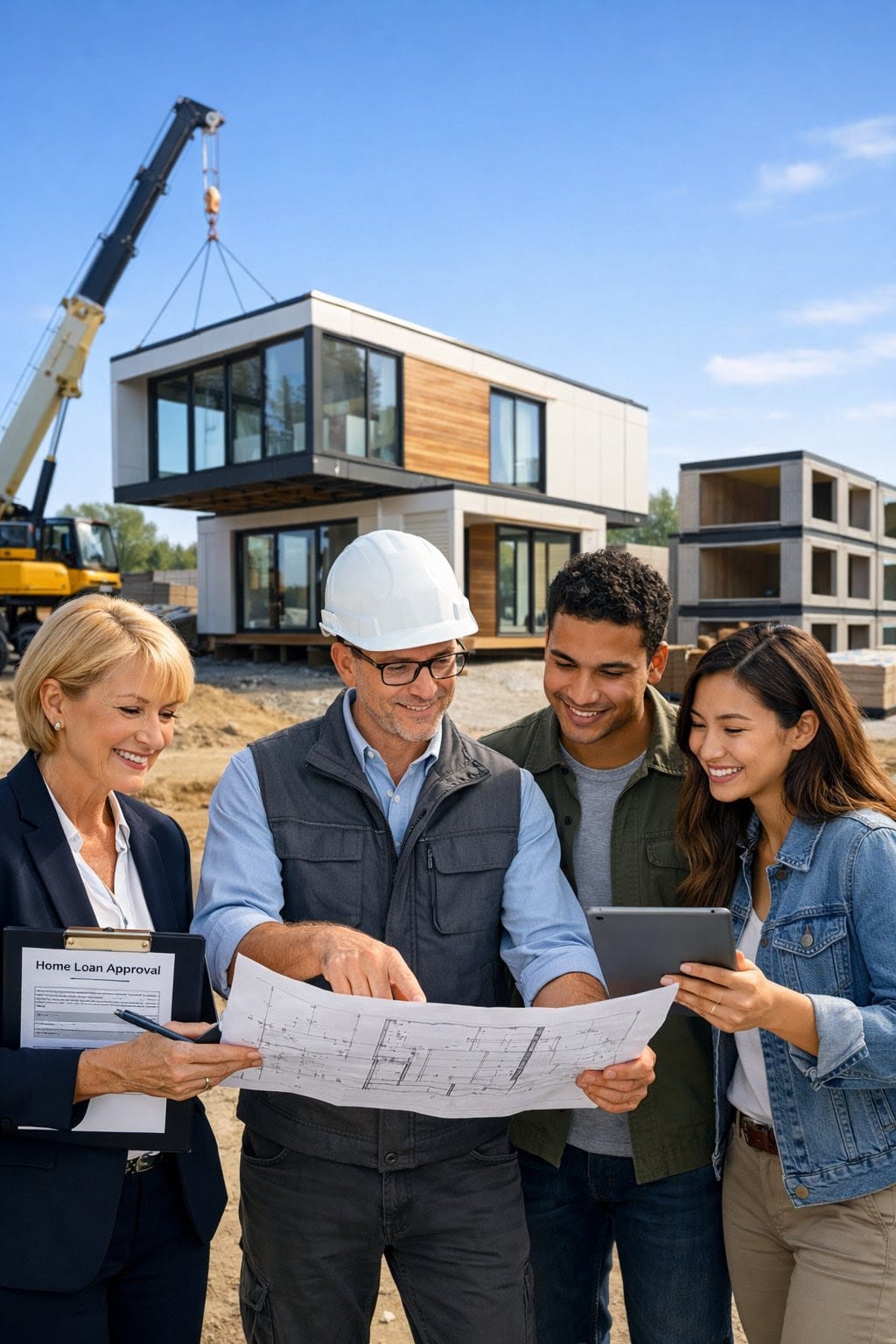
- Erection day – The day the modules are delivered and crane-lifted onto the foundation
- Set day – Same as erection day; when modules are placed
- Flying the modules – Using a crane to lift and place modules onto the foundation
- Boxes – Slang term for the individual modules themselves
- Boxed modules – Modules that arrive fully enclosed with exterior walls
- Open modules – Modules shipped without one or more exterior walls for easier joining
- Button up – Final finish work after modules are set
- Dry-in – Getting the structure weatherproof quickly after set
- Horizontal construction – Building homes on a factory floor (as opposed to vertical/on-site)
- Panelized – Homes shipped as flat wall panels rather than 3D boxes
- Flat pack – Another term for panelized construction
- Chase – Hollow space in walls/floors for plumbing, electrical, HVAC
- Furr out – Adding strips to level or extend walls
- Sistering – Reinforcing joists or studs by attaching additional lumber alongside
- Ridgeboard run – Installing the peak beam of the roof
- Module marriage – The process of joining two boxes together
- Buttoning the seams – Finishing the connection points between modules
Financial & Sales Terms
- Curbside funding – Loan funds released when modules arrive at the property (at the curb)
- Construction-to-permanent loan – Single loan that converts from construction to mortgage
- One-time close – Same as construction-to-permanent; single closing for land and construction
- Two-time close – Separate closings for construction loan and permanent mortgage
- Draw schedule – Payment milestones throughout the building process
- Factory deposit – Initial payment to start manufacturing
- Set money – Payment due when modules are delivered and placed
- Spec home – Pre-built modular home built on speculation (not custom ordered)
- Turn-key – Complete project where buyer just “turns the key” and moves in
- Shell package – Modules delivered without interior finishes
- Weather-tight package – Modules with exterior complete but minimal interior work
- All-in price – Total project cost including all site work and finishes
- Landed cost – Price of modules delivered to site (not including site work)
Industry-Specific Terminology
- Mod – Short for modular home
- Mods – Multiple modules
- Stick-built – Traditional on-site construction (used as contrast to modular)
- Site-built – Same as stick-built
- Off-site construction – Building in a factory rather than on property
- Volumetric modules – Three-dimensional units built in the factory
- Volumetric construction – Same as above; 3D box construction
- Pre-fab – Prefabricated construction (can refer to modular or panelized)
- Systems-built – Industry term emphasizing engineered, systematic construction
- Site work – Foundation, utilities, and land preparation
- GC – General contractor who coordinates the entire project
- Finish contractor – Contractor who completes work after modules are set
- Modular dealer – Retailer who sells factory homes
- Builder/dealer – Company that both sells and builds/finishes modular homes
- Factory rep – Manufacturer’s representative
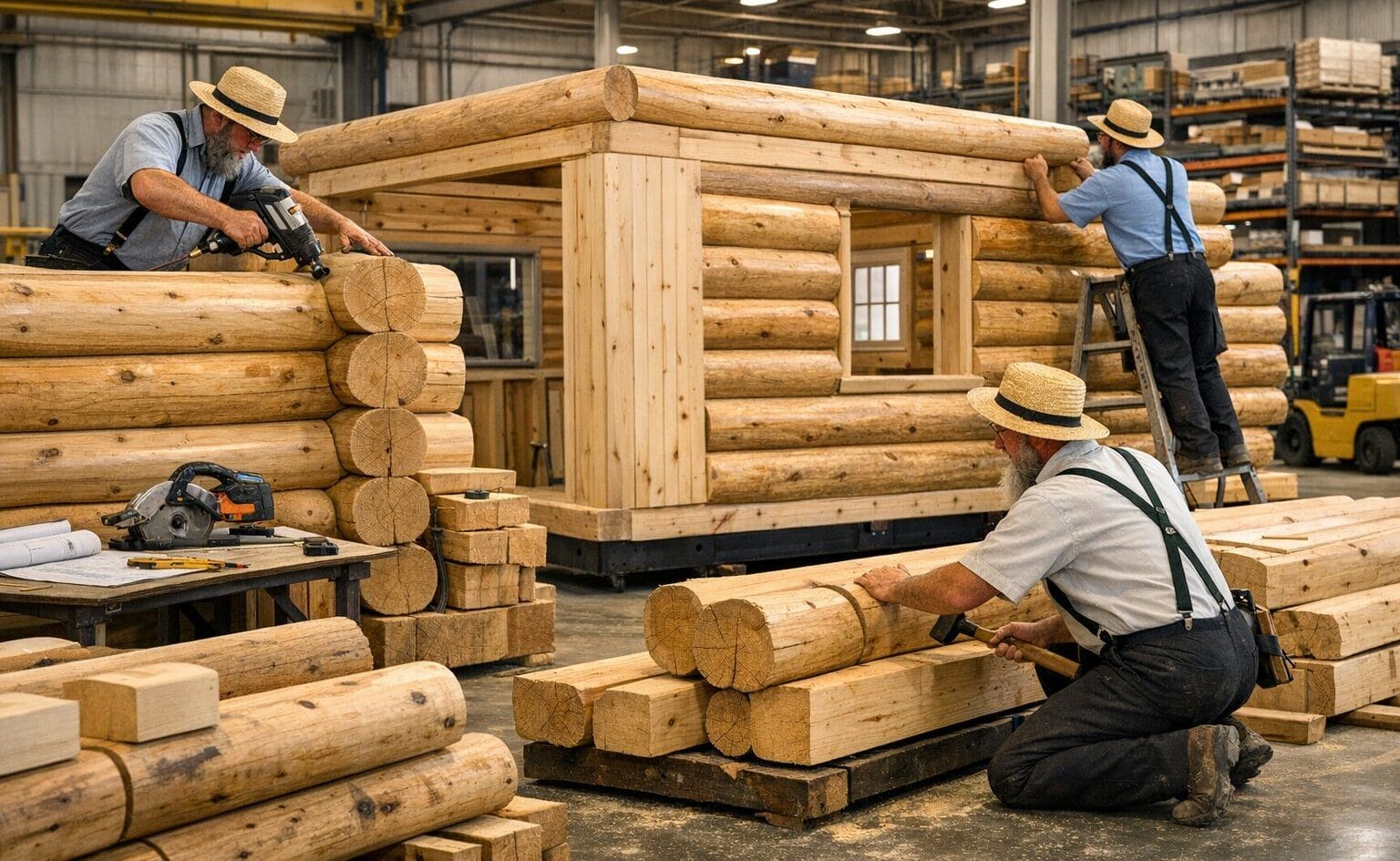
- Production line – Assembly line in the factory where homes are built
- Station – Specific work area in the factory (framing station, electrical station, etc.)
Quality & Regulations
- White tag – Factory certification label on modular homes
- Gold seal – Another term for factory certification
- Data plate – Metal plate attached to home with manufacturing information
- Third-party inspection – Independent inspectors who visit the factory during construction
- Third-party agency – Organization that certifies modular homes (like ICC, PFS, etc.)
- Freeway stamped – Modules approved for highway transport
- ICC certification – Compliance with International Code Council standards
- Code-plus – Built to exceed minimum building codes
- Over-engineered – Built stronger than code requires (for transport and longevity)
- Engineered drawings – Factory-produced blueprints and specifications
- Shop drawings – Detailed factory plans for building the modules
- Sealed drawings – Plans stamped by licensed engineer or architect
- Local code compliance – Meeting destination building codes
- AHJ – Authority Having Jurisdiction (local building department)
Transport & Logistics
- Oversize load – Permit required for transporting wide modules
- Pilot car – Vehicle that escorts large modules on highways
- Float – The trailer used to transport modules
- Lowboy – Type of trailer used for transporting modules
- Travel day – Day modules are transported from factory to site
- Haul – The transport of modules from factory to site
- Road ready – Module prepared and secured for transport
- Wrap – Protective covering on modules during transport
- Shrink wrap – Plastic film wrapped around modules for weather protection
- Tie-downs – Straps and chains securing modules to trailers
- Escort – Pilot vehicles required for wide loads
- Route survey – Pre-planning the delivery path for obstacles
- Bridge rating – Weight capacity verification for transport route
- Police escort – Law enforcement required for some oversized loads
- Delivery window – Scheduled timeframe for module delivery
Design & Planning
- Plant tour – When buyers visit the factory to see their home being built
- Factory visit – Same as plant tour
- Model home – Display home showing design and quality
- Model center – Location where multiple modular designs are displayed
- Split ranch – Multi-level modular design with offset levels
- Cape – Popular modular style with second-floor dormers
- Ranch – Single-story modular home
- Two-story colonial – Popular multi-level modular style
- Raised ranch – Split-level with basement partially above grade
- Elevation – Exterior design/facade options
- Footprint – The ground-level dimensions of the home
- Bay – Projected window or structural section
- Cantilever – Overhanging section extending beyond support below
- Hip roof – Roof with slopes on all four sides
- Gable roof – Roof with two sloping sides forming a triangle
- Dormers – Window structures projecting from a sloped roof
- Cathedral ceiling – High, sloped ceiling following the roofline
- Tray ceiling – Recessed ceiling with stepped edges
- Custom mod – Fully customized modular home
- Semi-custom – Home with limited customization options
- Production model – Standard floor plan built repeatedly
- Floorplan – Layout design of the home
Site Preparation & Foundation
- Foundation – Concrete base for the home (basement, crawl space, or slab)
- Basement foundation – Full foundation with living space below
- Crawl space – Short foundation with access space below
- Slab – Concrete pad foundation at ground level
- Frost wall – Foundation wall built below frost line
- Piers – Column supports for foundation
- Block foundation – Foundation built with concrete blocks
- Poured foundation – Foundation made with poured concrete
- Backfill – Dirt filled in around foundation after construction
- Grade – Ground level around the home
- Rough grade – Initial leveling of building site
- Final grade – Finished grading and landscaping
- Perimeter – The foundation dimensions matching module footprint
- Level and square – Foundation requirement for proper module placement
- Anchor bolts – Bolts embedded in foundation to secure modules
- Sill plate – Wood board attached to foundation top
- I-beam – Steel support beam in basement
Assembly & Finishing
- Mating – Joining two modules together
- Seaming – Finishing the connection between modules
- Shingling – Installing roof shingles (often done on-site)
- Siding – Exterior wall covering
- Soffit and fascia – Trim under roof overhang
- Trim out – Installing interior and exterior trim
- Punch list – List of final items to complete or fix
- Final walk-through – Inspection before final payment
- Touch-up – Minor repairs and corrections
- Cosmetic repairs – Fixing minor aesthetic issues from transport/set
- Set crew – Team that places modules on foundation
- Crane operator – Person operating the crane for module placement
- Rigger – Person who attaches crane cables to modules
- Site super – On-site supervisor/foreman
- Trades – Various contractors (plumber, electrician, HVAC, etc.)
Industry Slang & Jargon
- In the plant – Currently being built in the factory
- On the line – Module currently in production
- In production – Home being actively built
- In stock – Pre-built module or home available immediately
- Quick ship – Fast delivery of in-stock homes
- Lead time – Time from order to delivery
- Production schedule – Factory timeline for building homes
- Slot – Position in the production schedule
- Pushed back – Delayed production or delivery
- Roll-off – Module completing production and leaving factory
- Ship date – Scheduled delivery date
- Weather delay – Postponement due to bad weather
- Hot job – Rush project with priority scheduling
- Change order – Modification to original plans (usually adds cost)
- CO – Abbreviation for change order
- Upgrade – Better materials or features than standard
- Standard features – What’s included in base price
- Options – Available upgrades or additions
- Allowances – Set amounts for buyer-selected items (fixtures, flooring, etc.)
- Builder grade – Basic quality materials (vs. upgraded)
- Load bearing wall – Wall supporting structural weight (can’t be removed)
- Non-load bearing – Wall that can be modified or removed
- Mechanical rough-in – Initial installation of plumbing, electrical, HVAC
- Trim and finish – Final interior completion work
Marketing & Sales Terms
- Show home – Display model for customer viewing
- Open house – Event where factory or homes are shown to public
- Factory direct – Buying directly from manufacturer
- Authorized builder – Approved dealer/builder for a manufacturer
- Exclusive territory – Geographic area where only one dealer operates
- Price per square foot – Common pricing metric
- Base price – Starting price before options and site work
- Turnkey price – All-inclusive price for completed home
- Apples to apples – Comparing equivalent features between options
- Value engineering – Reducing costs while maintaining quality
- Cookie cutter – Negative term for identical production homes
- Production builder – Builder who constructs many similar homes
- Custom builder – Builder specializing in unique designs
Permanent Modular Construction: Built to Stay
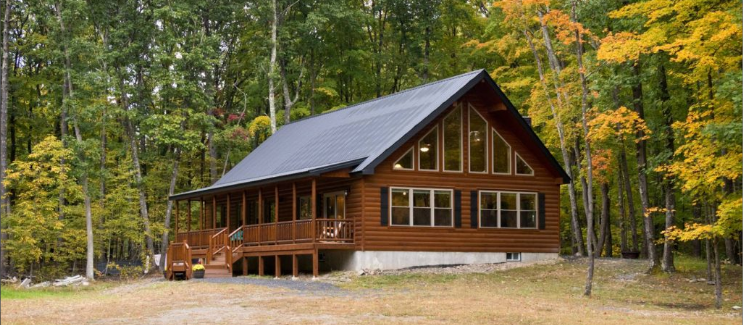
Permanent modular construction means you build off-site, then install the structure on a permanent foundation.
Once set, it behaves like a site-built home in both function and paperwork.
You finance it, insure it, and tax it the same way.
Permanent modular homes follow local and state building codes, not the HUD Code.
Crews use the same materials you expect in conventional construction, including wood framing, steel, and concrete foundations.
You do not plan to move a permanent modular building later.
You can remodel it, expand it, or sell it like any other house.
If you hear “permanent modular,” think factory-built process, traditional outcome.
- Permanent foundation
- Local/state code compliant
- Intended for decades of use
Relocatable and Portable Buildings: Homes on the Move
A relocatable modular building installs with the expectation that you will move it later.
That design choice affects everything, from structure to utilities.
It still meets building codes, but it prioritizes transport over permanence.
Portable buildings fall under the same umbrella.
People often use the terms interchangeably, especially for schools, offices, clinics, and workforce housing.
These buildings arrive quickly and can relocate multiple times with the right planning.
You can place a relocatable modular building on temporary foundations or piers.
You trade design flexibility for mobility, which makes sense when timelines or land ownership stay uncertain.
- Temporary housing
- Classrooms and offices
- Short- to mid-term projects
Manufactured vs. Modular vs. Mobile: Which Is Which?
A manufactured home follows the federal HUD Code, not local building codes.
It leaves the factory on a permanent chassis and stays classified as manufactured housing.
A mobile home usually means a manufactured home built before June 15, 1976.
The term sticks around, even though the rules changed decades ago.
A modular home does not fall under the HUD Code.
It meets local codes and installs on a permanent foundation, which places it closer to traditional housing in both value and regulation.
| Term | Code | Foundation | Moveable |
|---|---|---|---|
| Modular home | Local/State | Permanent | No |
| Manufactured home | HUD Code | Varies | Yes |
| Mobile home | Pre-1976 HUD | Varies | Yes |