
Building a new place to live is an exciting journey. If you are looking at modular homes for sale in WV, you are already on a great path toward a well-made, affordable home. However, finding the right way to pay for your project can feel a bit confusing at first.
Many buyers feel overwhelmed by bank rules or wonder if a factory-built project qualifies for a standard loan. The good news is that you do not have to figure this out alone. As your local experts, we make the loan process simple so you can focus on building your dream life in West Virginia.
Ready to start your journey today? You can fill out a form on our website right now to connect with our team.
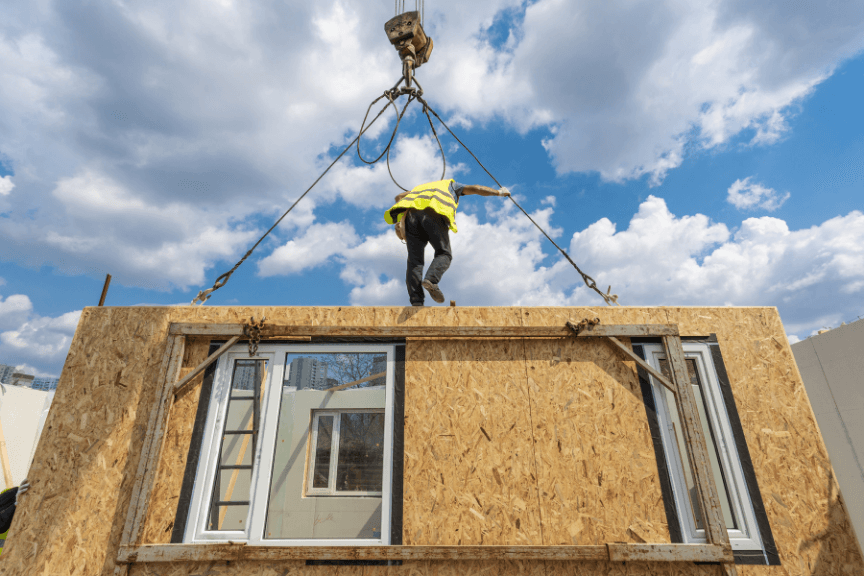
When it comes to buying a modern factory-built house, you have several great paths to choose from. The most common choice is a construction-to-permanent loan. This option is very helpful because it covers the entire process. It pays for the land, the factory build, and the setup on your lot. Once the builders finish the house, the loan automatically changes into a permanent mortgage. This means you only have to go through one closing, which saves you time and closing costs.
You can also look into standard government-backed loans. Programs like FHA loans often support modular projects. These loans are great because they usually require lower down payments. If you are building in a rural part of our beautiful state, a USDA loan might even allow you to buy with no money down. Knowing your choices helps you make the best decision for your family.
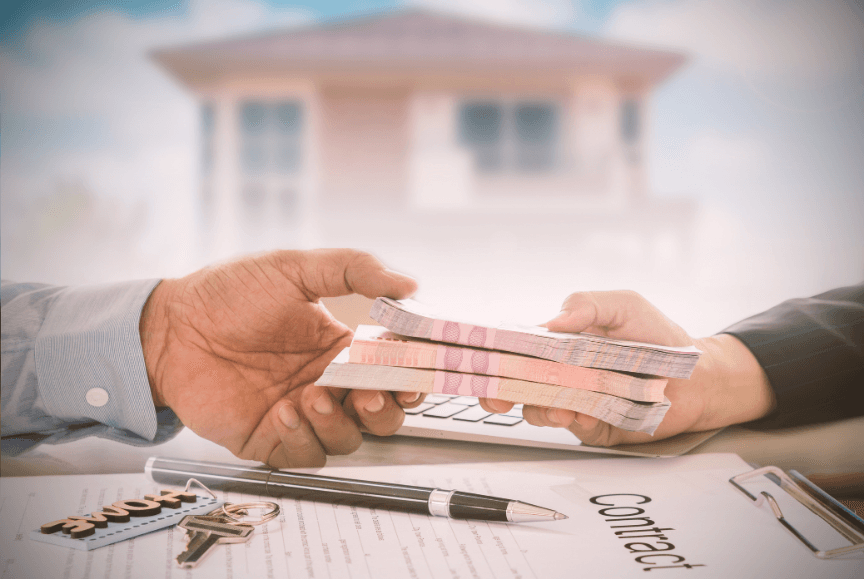
Getting ready for a loan does not have to be stressful. When you apply, modular home mortgage lenders consider a few key financial factors. First, they check your credit score to see your history of paying bills on time. Next, they verify your monthly income to ensure you can comfortably handle the new payment. They will also review your debt-to-income ratio, which compares your monthly bills to your overall earnings.
There is one major difference between a modular home loan and buying an existing house. Lenders need to see a detailed contract from your home manufacturer and your local builder. They want to see the plans, the total cost, and the timeline for completion. Gathering your tax returns, pay stubs, and bank statements early will make this process move much faster.
If you want to see what you qualify for, you can set up a call with us to review your goals.
Finding the right team to fund your build is very important. You want to work with people who truly understand the modular building process. Regular banks sometimes treat these projects like traditional builds, which can cause delays. A specialized lender knows how to pay the manufacturer on time so your build stays on schedule.
To find the best partner, start by asking your modular home manufacturer for recommendations. They usually work with trusted lenders who know the local West Virginia market well. You should also read online reviews and ask neighbors who have recently built their own homes. A great lender will answer your questions clearly and keep you updated every week.

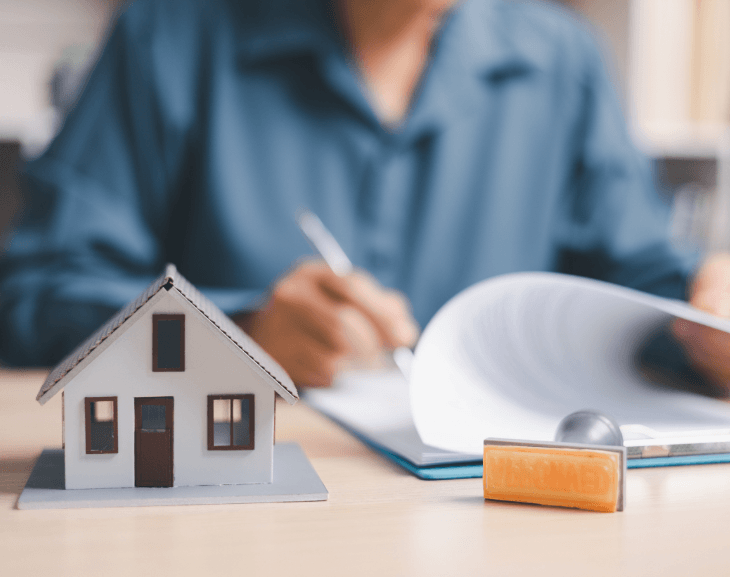
The inspection steps for factory-built properties look a bit different from those for traditional houses. An appraiser will review the plans for your future home and compare them to similar properties in the local area. This step ensures the final property value matches the amount you want to borrow.
Local building inspectors will also check the work on your lot. They make sure the foundation is secure and the utility hookups meet local safety rules. This dual review protects your financial investment and ensures your structure is built to last for generations.
Staying on schedule requires clear communication between your builder and your funding partner. A factory build moves quickly once the pieces arrive on your site. Your lender will release funds in stages called draws to pay for the foundation, delivery, and final assembly.
Having a small financial cushion for unexpected site preparation costs is always a smart move. Clearing trees, testing soil, or extending a driveway can sometimes add extra expenses before the house arrives. Planning ahead keeps the stress low and keeps your project moving smoothly toward moving day.

Our modular home loan services are available across West Virginia, including:
| • Barbour County | • Jefferson County | • Pocahontas County |
| • Berkeley County | • Kanawha County | • Preston County |
| • Boone County | • Lewis County | • Putnam County |
| • Braxton City | • Logan County | • Raleigh County |
| • Brooke County | • Marion County | • Randolph County |
| • Cabell County | • Marshall County | • Ritchie County |
| • Calhoun County | • Mason County | • Roane County |
| • Clay County | • McDowell County | • Summers County |
| • Doddridge County | • Mercer County | • Taylor County |
| • Fayette County | • Mineral County | • Tucker County |
| • Gilmer County | • Mingo County | • Tyler County |
| • Grant County | • Monongalia County | • Upshur County |
| • Greenbrier County | • Monroe County | • Wayne County |
| • Hampshire County | • Morgan County | • Webster County |
| • Hancock County | • Nicholas County | • Wetzel County |
| • Hardy County | • Ohio County | • Wirt County |
| • Harrison County | • Pendleton County | • Wyoming County |
| • Jackson County | • Pleasants County |
You deserve a smooth path to homeownership. By choosing the right mortgage financing for modular homes, you can build a beautiful property without unnecessary stress. We know the local neighborhoods, the local builders, and the exact steps it takes to get you into your new front door. Let us handle the heavy lifting with the paperwork so you can enjoy watching your new house come together.
Do not let confusion hold you back from your goals. You can sign up on our website today to get a personalized breakdown of your loan options.