If you want a modern home without the long wait and stress of traditional construction, Harry Vine Homes offers a practical solution. These modular homes are built in a controlled facility and delivered fully finished, so you can move in much faster than with standard builds. You get a high-quality home designed for comfort, efficiency, and value at a price that makes ownership more accessible.
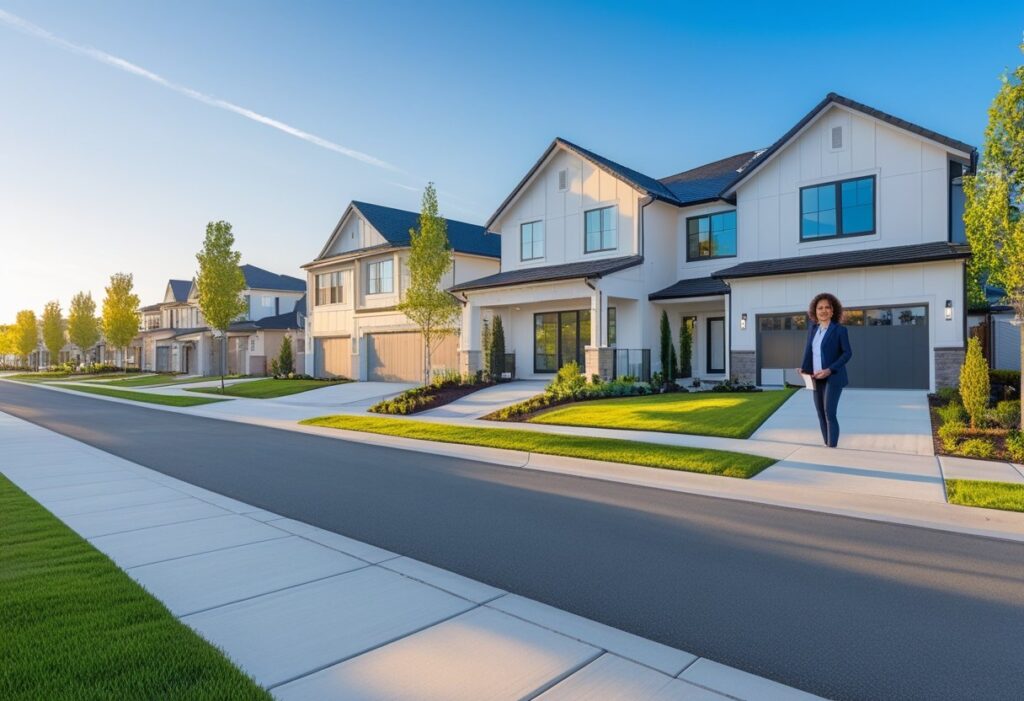
With Harry Vine, you don’t just buy a house—you choose a streamlined process that saves time and reduces hassle. Homes can be completed in weeks and set on your foundation in a single day, making the path to ownership simple and predictable. The company focuses on smart design, durable materials, and modern features that fit your lifestyle.
Whether you want an affordable starter home or a long-term space built to last, Harry Vine Homes gives you options that balance cost, quality, and convenience. Their approach shows how modular construction can reshape what it means to build in today’s housing market.
Key Takeaways
- Modular homes provide a faster and simpler path to ownership
- Quality design and durable materials set these homes apart
- The process balances affordability, efficiency, and modern features
What Sets Harry Vine Homes Apart
Harry Vine Homes focuses on creating modular houses that save you time, reduce costs, and provide consistent quality. The company builds in controlled environments, uses durable materials, and manages projects with a streamlined process that helps limit delays and unexpected expenses.
Innovative Modular Design
With Harry Vine Homes, you get a modular home that is built in sections inside a facility rather than outdoors. This process helps avoid weather delays and allows for more predictable construction timelines.
The homes are prefabricated and then transported to your site for installation. For projects within 60 miles of Pittsburgh, Harry Vine can serve as a full turn-key provider, handling project management, manufacturing, and module installation. For projects across Pennsylvania, they still provide modular units but may not cover every service.
You can choose from different layouts, such as two-bedroom models with modern finishes. These homes are designed to maximize space while keeping the footprint manageable. By focusing on modular builds, Harry Vine reduces waste and improves efficiency compared to traditional construction.
Commitment to Quality
Harry Vine emphasizes using high-quality materials and industry-standard best practices. Because the homes are built in a controlled facility, you avoid many of the issues that come with on-site construction, like weather damage or rushed labor.
The company designs homes to last, with attention to both structure and comfort. For example, the Harry Vine Home includes solid finishes, durable flooring, and layouts that support everyday living.
Costs are also transparent. According to estimates, a finished prefab house starts at around $330 per square foot. This includes the base home price plus additional expenses like site work. While not the lowest-cost option, the pricing reflects the materials and service level provided.
Customer-Centric Approach
You benefit from a process designed to simplify home buying. From the first consultation to move-in day, Harry Vine aims to make each step clear and manageable.
The company highlights fast delivery and setup. For example, one project in Millvale went from delivery to occupancy in less than a week, showing how quickly you could move into your new home once prepared.
Harry Vine’s team focuses on communication and support throughout the project. Whether you need guidance on financing, installation, or design choices, they aim to keep you informed and comfortable with each decision. This makes the experience less stressful compared to traditional builds.
Overview of Modular Home Construction
Modular construction focuses on building homes in a structured environment with consistent quality standards. This approach reduces delays, improves efficiency, and helps you get a home that balances cost, comfort, and durability.
Controlled Building Processes
When you choose modular construction, your home is built in a climate-controlled facility. This limits exposure to rain, snow, and humidity, which can damage materials on traditional job sites.
Each step follows strict quality checks. For example:
- Framing is measured and cut with precision tools.
- Insulation is installed evenly to improve energy efficiency.
- Windows and doors are fitted under controlled conditions to prevent gaps.
These processes help ensure consistent results. Instead of depending on variable outdoor conditions, you benefit from a predictable timeline and fewer construction delays. Companies like Harry Vine Homes emphasize this controlled approach to deliver homes that meet modern standards.
Prefabrication Advantages
Prefabrication means large sections of your home are built in advance, then transported to your property for assembly. This method reduces waste because materials are ordered in exact amounts and stored indoors until use.
You save time since multiple parts of the home can be built at once. For example, electrical systems and plumbing can be installed in wall panels before they leave the factory.
Another advantage is cost control. Labor is more efficient in a factory setting, and fewer weather delays mean you avoid unexpected expenses. Prefabricated homes like those from Harry Vine Homes often provide more square footage for your budget compared to traditional builds.
Sustainability in Home Building
Modular construction supports sustainability in several ways. Factories reuse leftover materials, which cuts down on landfill waste. Controlled environments also reduce energy use during the building process.
Homes are often designed with energy-efficient features. For instance, Harry Vine Homes use closed cell spray foam insulation, energy-efficient windows, and modern HVAC systems to lower heating and cooling costs (product brochure).
You also benefit from reduced site disturbance. Since most of the work happens off-site, heavy equipment and waste are minimized at your property. This makes modular homes a practical choice if you want a lower environmental impact without sacrificing comfort.
Home Models and Features
Harry Vine Homes focuses on creating modular living spaces that balance size, function, and durability. You get a compact layout built with modern materials, while still having options to adjust finishes and improve efficiency.
Model One Specifications
The current offering is a single 600-square-foot model. It includes 2 bedrooms, 1 bathroom, and an open living area with a kitchen. This design works well as either a small primary residence or an accessory dwelling unit (ADU).
The home features a shed-style roof and a clean, modern appearance. Exterior siding uses painted fiber cement, which is durable and low-maintenance. Optional decks can be added to expand outdoor living space.
Key details:
| Feature | Specification |
|---|---|
| Size | 600 sq. ft. |
| Bedrooms | 2 |
| Bathroom | 1 |
| Roof | Shed style |
| Exterior | Painted fiber cement |
This layout provides a balance of privacy with two bedrooms while keeping the footprint efficient and manageable.
Customization Options
You can make adjustments to fit your needs, though the base design stays consistent. Choices mainly focus on finishes, fixtures, and exterior options rather than altering the floor plan.
For example, you may select different countertop materials, flooring types, or cabinet styles. Exterior paint colors and deck additions also allow you to personalize the look.
Because the home is prefabricated in a controlled facility, structural changes are limited. However, these finish options give you flexibility to align the home with your style while keeping the build process streamlined.
This approach helps maintain cost control and ensures the home can still be delivered and installed in a short timeframe.
Energy Efficiency
The home includes several features designed to improve insulation and reduce energy use. Walls and attics use closed-cell spray foam insulation, while rigid foam is applied at the rim board for added thermal protection.
The windows and doors are also energy-conscious. Standard builds include Andersen 100 Series windows and a 3′ x 8′ insulated steel front door. These materials increase durability while helping maintain indoor comfort.
Heating and cooling come from an electric furnace and air conditioner, paired with a whole-home tankless electric water heater. Together, these systems provide reliable climate control and hot water without wasting energy.
By combining insulation, efficient appliances, and durable windows, you get a home that is easier to maintain and more affordable to operate over time.
Pricing and Cost Breakdown

Harry Vine Homes offers one main floor plan with clear pricing details. You can expect to pay a base price for the unit itself, plus additional costs for delivery, installation, and site work. When combined, these expenses create a full turn-key price that gives you a more accurate picture of the total investment.
Base Prices and Square Footage
The standard model from Harry Vine Homes is 600 square feet. It includes 2 bedrooms and 1 bathroom, designed to maximize usable space in a compact layout.
The base price starts at $150,000 for the home itself. This covers the structure, fixtures, appliances, and finishes that come pre-installed in the unit. You do not need to add on for basics like flooring or cabinetry.
At an estimated $330 per square foot, the price reflects the inclusion of finished interiors and quality building materials. The home is built in a controlled facility, which helps reduce waste and ensures consistency.
If you want a larger home, Harry Vine Homes does not currently offer other floor plans. The 600-square-foot model is the only option available at this time, so your budget will center around that fixed size and layout.
Additional Costs and Fees
Beyond the base price, you need to plan for added expenses. These costs typically fall between $50,000 and $55,000 depending on your location and site conditions.
Key expenses include:
- Transport: Usually $10,000–$12,000 depending on distance
- Permitting and fees: Varies by city or county
- Utility connections: Tap-in fees for water, sewer, and electricity
- Site preparation and labor: Foundation work and home installation
These costs are essential to make the home livable. Without them, the structure cannot be set up or connected to utilities.
Taxes and inspection fees may also apply, which can increase the total. Because these vary by region, you should confirm with local authorities before finalizing your budget.
Turn-Key Cost Estimates
When you combine the base price with the additional expenses, the turn-key cost for the 600-square-foot model is about $200,000. This figure does not include land, which you must purchase separately.
The table below shows the estimated turn-key cost:
| Model | Size | Beds | Baths | Turn-Key Cost (No Land) |
|---|---|---|---|---|
| Model One | 600 sq. ft. | 2 | 1 | $200,000 |
This total reflects a completed home delivered, installed, and ready for use. You can expect a move-in ready unit within weeks of site preparation.
For more details, see the cost breakdown from Prefab Review.
The Buying and Installation Process
When you decide to move forward with a Harry Vine modular home, you go through a clear sequence that covers purchase, site work, and final setup. Each stage focuses on making sure your home is built to standard and ready for move-in without unnecessary delays.
Purchase Steps
You begin by choosing the home model that fits your needs. Harry Vine Homes currently offers designs starting around 600 sq. ft. with two bedrooms and one bathroom. Pricing for a finished home starts near $150,000, with additional costs for site work and installation bringing the total closer to $200,000 depending on location and options (Prefab Review).
After selecting your model, you review available upgrades. Options may include energy-efficient windows, spray foam insulation, and modern HVAC systems, all of which are standard in many of their builds (Harry Vine brochure).
Next, you sign a purchase agreement and secure financing. Some buyers use traditional mortgages, while others work with lenders experienced in prefab construction loans. You also schedule a timeline with the company, which outlines when fabrication and delivery will occur.
Site Preparation
Before your home arrives, you must prepare the property. This includes clearing the land, grading, and ensuring proper drainage. Utilities such as water, sewer, and electricity must be installed or made ready for connection.
A foundation is required for modular homes. Depending on your site and budget, you may choose a full basement, crawl space, or slab. Harry Vine Homes works with local contractors within 60 miles of Pittsburgh to manage this process as a turnkey service, but beyond that range you may need to coordinate your own contractors (Prefab Review).
Site preparation also includes permits and inspections. Local building codes vary, so you should confirm requirements with your municipality early to avoid delays.
Delivery and Installation
Once the foundation is ready, the modules are transported from the factory to your property. The homes are built in a climate-controlled facility, which helps maintain consistent quality during construction (Harry Vine Homes).
A crane typically sets the modules onto the foundation. Crews then secure the structure, connect utilities, and seal the seams between sections. This process usually takes a few days, though finishing work such as siding, roofing, and interior trim can extend the timeline.
After installation, final inspections ensure compliance with building codes. Once approved, you can move in. Harry Vine’s team or your local contractors will walk you through the completed home to confirm that all systems are functioning as expected.
Benefits of Choosing Harry Vine Homes
You can expect a balance of cost savings, long-term value, and customer-focused support when you decide to work with Harry Vine Homes. Each home is designed and built with modern construction methods that reduce waste, improve efficiency, and give you a reliable place to live.
Affordability
Harry Vine Homes offers a way to own a new home at a price that is often lower than traditional construction. The company builds homes in a controlled facility, which reduces delays and labor costs. This efficiency helps keep the purchase price competitive.
A typical home starts at about $150,000, with additional costs like site prep and utilities averaging around $50,000. That brings the total to an estimated $200,000, which equals about $330 per square foot. For many buyers, this is a practical option compared to custom-built homes in the same area.
Because the home arrives fully finished, you avoid the extended expenses that come with long construction timelines. You also save on temporary housing costs since installation and utility hookup can often be completed in just one day.
Durability and Longevity
The homes are built indoors in a climate-controlled environment, which protects materials from weather damage during construction. This process ensures consistent quality and fewer issues caused by moisture, warping, or delays.
Each unit uses high-quality materials such as Andersen windows, steel entry doors, and closed-cell spray foam insulation. These features help improve energy efficiency while also extending the lifespan of the home.
Harry Vine Homes is also the only state-approved modular home manufacturer in Pittsburgh. That approval means the homes meet strict building codes and are designed to last for decades with proper care.
Superior Service
You receive more than just a home—you also gain access to full project support. For buyers within 60 miles of Pittsburgh, Harry Vine Homes can serve as a turn-key provider. This includes managing the build, transporting the modules, and handling installation on your property.
For projects outside that radius but still within Pennsylvania, the company still offers manufacturing and delivery while coordinating with local contractors for site work. This flexibility ensures you get the right level of service for your location.
From design to move-in, the team focuses on clear communication and dependable scheduling. You can expect guidance at each step, reducing the stress that often comes with building a home.
Company Background and Leadership
Harry Vine Homes operates as a modular home builder based in Pittsburgh, Pennsylvania. The company focuses on efficient design, controlled construction methods, and timely delivery of prefabricated homes. Leadership plays a central role in shaping its approach to housing, combining practical building strategies with a clear commitment to customer needs.
About Harry Vine
Harry Vine Homes specializes in modular housing that is built in a controlled facility and then transported to your site. This process reduces construction delays and ensures consistent quality. Homes arrive nearly complete, allowing you to move in much faster than with traditional builds.
The company is recognized as Pittsburgh’s only state-approved modular home manufacturer, giving it a unique position in the local market. By producing homes in its Lawrenceville facility, Harry Vine can deliver one finished unit per month.
You benefit from a streamlined process that includes fabrication, delivery, and installation. For projects within 60 miles of Pittsburgh, Harry Vine also offers turnkey services, including project management and module installation. Beyond that range, the company still supports Pennsylvania customers with manufacturing and delivery.
Meet the Team
The company is led by Robert Hartle, who serves as Owner and CEO. Hartle brings both construction experience and a strong focus on customer service. His leadership emphasizes efficiency, design quality, and affordability. You can view his professional background on LinkedIn.
The team includes skilled builders, project managers, and support staff who handle each stage of the process. Their combined expertise ensures your home is built with precision and delivered on schedule.
Harry Vine Homes also collaborates with local partners and organizations. For example, the company has engaged in discussions with the Urban Redevelopment Authority to explore ways modular housing can address housing needs in Pittsburgh. This highlights a leadership approach that extends beyond private sales into community development.
Mission and Vision
Harry Vine Homes aims to make homebuilding simpler, faster, and more affordable. The mission centers on delivering modern modular homes that balance design, comfort, and durability. By using high-quality materials and controlled building practices, the company reduces waste and improves consistency.
You can expect a focus on value for your budget. The design process prioritizes functional layouts, such as models with two bedrooms and one bathroom, while still maintaining a modern look.
The vision goes beyond individual projects. Harry Vine seeks to redefine how homes are built in the 21st century by showing that modular construction can meet both personal and community housing needs. This forward-looking approach positions the company as both a builder and a problem-solver in today’s housing market.
Frequently Asked Questions
You can expect clear pricing details, flexible design options, and modern construction practices with Harry Vine Homes. The company focuses on quality materials, efficient building methods, and features that support both comfort and energy savings.
What are the typical prices for Harry Vine Homes?
Prices start around $150,000 for a base model. When you include site work, delivery, and finishing, the total often averages about $330 per square foot according to Prefab Review. Smaller homes may cost less overall, while larger or more customized designs will increase the final price.
How do Harry Vine Homes compare in quality to other modular home builders?
You get homes built in a controlled environment, which reduces weather delays and quality issues. Materials include Andersen windows, insulated steel doors, and spray foam insulation, as listed in the Harry Vine brochure. These choices place them on par with, or above, many modular builders in their class.
What are the most popular designs offered by Harry Vine Homes?
One of the most promoted models is over 600 square feet with two bedrooms and one bathroom, highlighted by the founder on Facebook. Buyers often choose compact layouts that maximize space efficiency while keeping costs lower than larger custom builds.
What is the average construction timeline for a Harry Vine Home?
Because homes are prefabricated in a factory setting, the build process is faster than traditional construction. Once permits and site prep are complete, the home can be assembled and finished in just a few months. Timelines may vary depending on location and customization.
Can Harry Vine Homes be customized to meet specific buyer needs?
Yes, you can adjust layouts, finishes, and features to fit your needs. The company offers flexibility in both design and materials, though the extent of customization may depend on whether your project is within their full-service area around Pittsburgh, as explained in Prefab Review.
What eco-friendly features are standard in Harry Vine Homes?
Standard features include closed-cell spray foam insulation, energy-efficient windows, and modern HVAC systems. These details, shown in the Harry Vine brochure, help reduce energy use and improve indoor comfort without requiring major upgrades.